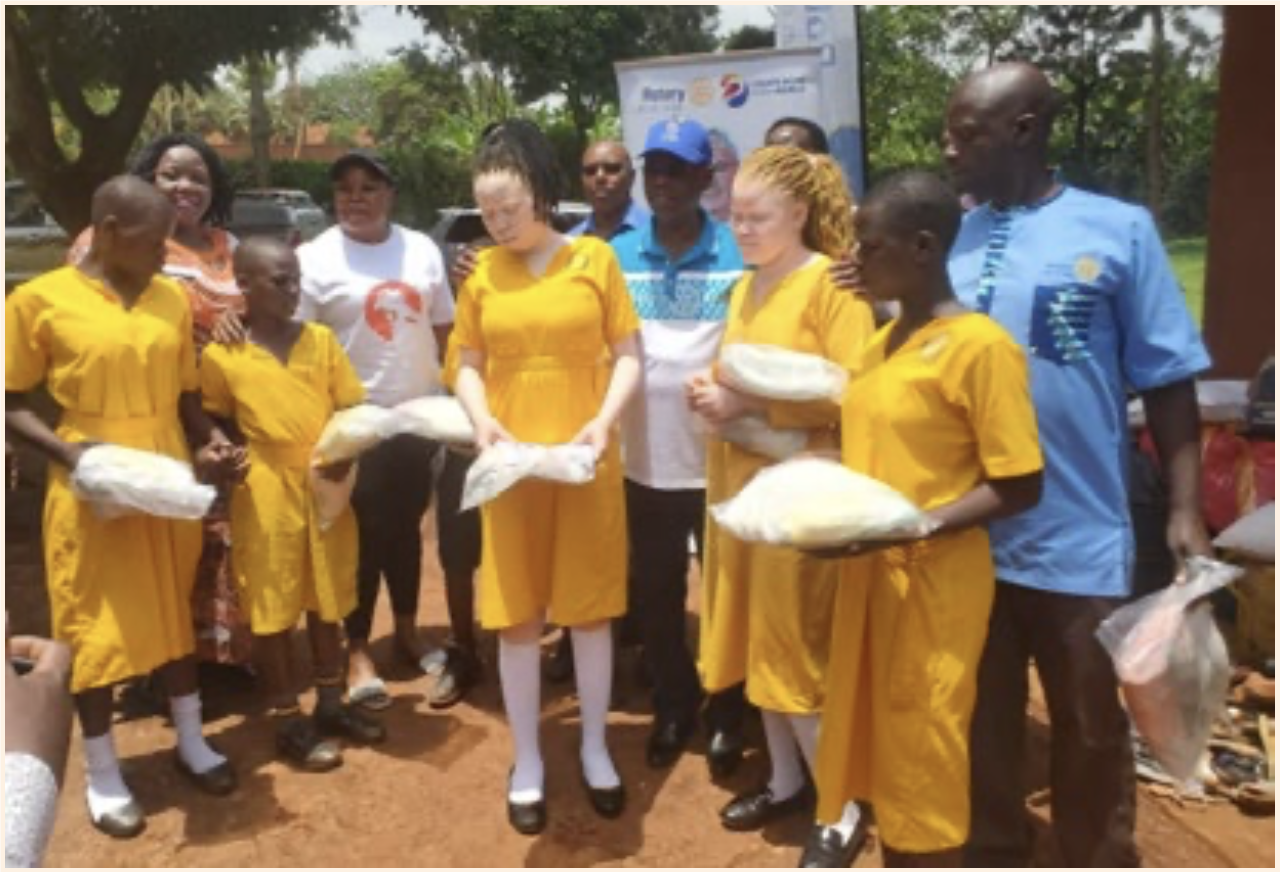
In the bustling city of Jinja, within the quiet grounds of Spire Road Primary School, stands a place where hope shines brightest for those born without sight. For more than three decades, the Balitwegomba Home for the Blind has nurtured, educated, and empowered children with visual impairment—ensuring that they, too, can dream, learn, and thrive in a world that often overlooks them.
Balitwegomba is not just a home. It is a beacon of resilience, a safe haven where children with visual impairment are given the dignity and opportunity to build their futures.
The story of the home traces back to 1989, when three children—Namulondo Doreen, Nalukenge, and Woira Mohammed—became its first residents. Their care was initially managed by the Victoria Centre and Workshop for the Blind, a group of visually impaired adults determined to uplift children facing the same struggles they once endured. At that time, the conditions were dire. The children slept in grass-thatched, dilapidated shelters with no separation between boys and girls and without even basic sanitation.
It was during a Rotary Club of Jinja charity event in 1992 that Rotarians first witnessed these heartbreaking living conditions. Deeply moved, they resolved to act. That moment marked the beginning of a remarkable journey of transformation.
Through sustained effort and partnerships, the Rotary Club of Jinja secured land from the municipal council and, in 1992, financed the construction of dormitories to provide safe and separate accommodation for the children. What began as an urgent intervention grew into a comprehensive program of support, and over the years the home has been steadily transformed.
Today, with the support of local and international partners, Balitwegomba Home stands as a model of care and inclusion. Its facilities now include:
- Dormitories with proper sanitation
- A modern kitchen with an energy-saving stove
- Water harvesting and piped water systems
- Solar lighting for safety and sustainability
- Secure fencing and a protective gate
- A resource centre equipped with desks, low-vision aids, and Braille machines
From its humble beginnings, Balitwegomba Home has become a sanctuary where children once forgotten by society are now empowered to pursue education, independence, and dignity—proof that when compassion meets action, transformation follows
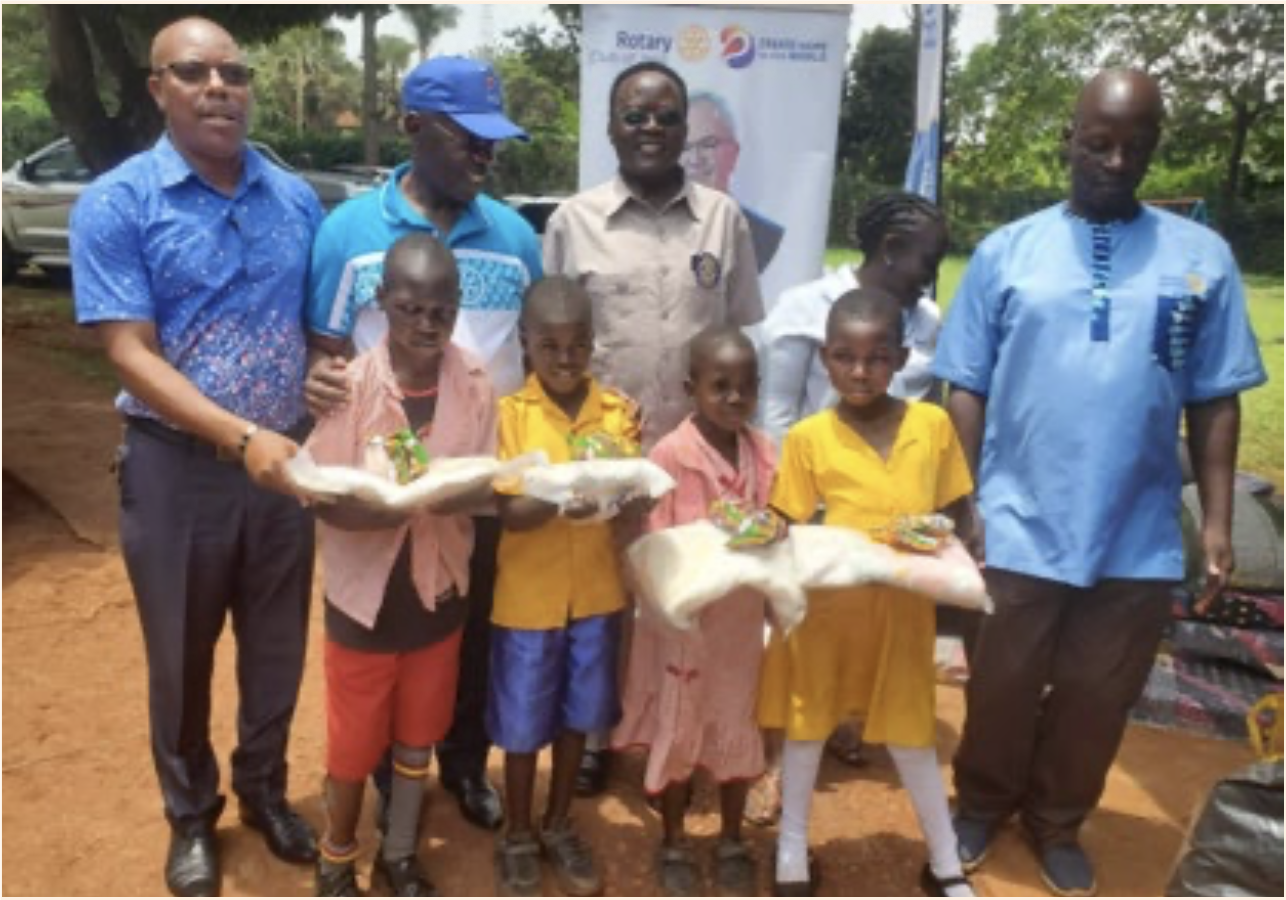
By 2010, the Ministry of Defence added a new dormitory block, further improving the living conditions for the children. Today, Balitwegomba operates as a unit of Spire Road Primary School, where children with visual impairment study side by side with their sighted peers. This inclusive approach not only equips them academically but also fosters confidence and belonging.
Currently, the home accommodates 63 pupils with visual impairment, supported by six teachers (three on government payroll and three volunteers), along with a matron, a cook, and a security guard. Of these learners, 49 reside at Balitwegomba (22 girls and 29 boys), while others pursue their studies in secondary and tertiary institutions—11 students at Namasagali College (8 boys, 3 girls) and 1 at St. Francis Madera in Soroti. Since 2016, the home has been under the stewardship of Mr. Kyalimpa Kenneth, whose dedication has ensured continuity and stability.
“Education here at Balitwegomba is more than learning—it is liberation,” says President Tomson Ofwono of the Rotary Club of Jinja. “For the children of Balitwegomba, education opens doors that once seemed permanently closed.”
Since its inception, the home has nurtured over 200 children, many of whom are now living impactful lives. The alumni continue to make everyone proud through their diverse contributions to society. Esther Ndagire is a practicing lawyer in Kampala, passionately advocating for justice and inclusion. Musa Mayanda and Peter Musenze are dedicated graduate teachers shaping young minds in Kamuli and beyond. Meanwhile, Solomon Walusimbi serves patients with compassion at Kampala International Hospital, embodying the spirit of care and excellence. “When compassion meets action, lives are transformed one child at a time,” reflects Musenze, himself a beneficiary.
Supporting the learners goes far beyond tuition. For primary pupils alone, the annual cost of education and welfare stands at UGX 36.7 million—broken down as UGX 5.4 million for tuition and UGX 31.3 million for welfare needs such as feeding, utilities, and personal effects. Sponsorship for tertiary institutions averages UGX 5 million annually.
Day-to-day running costs remain constant; between July 1st and August 2025, Rotary covered essentials such as firewood (UGX 500,000), beans (UGX 1,200,000), posho (UGX 1,500,000), sugar (UGX 125,000), cooking oil (UGX 80,000), water bills (UGX 100,000), electricity (UGX 100,000), compound maintenance (UGX 100,000), and plumbing repairs (UGX 150,000). These figures illustrate the ongoing commitment required to keep Balitwegomba running and its children cared for.
Though Rotary remains the home’s primary sponsor, countless partners have joined the journey. These include the Ministry of Education, Jinja Municipal Council, Spire Road Primary School Management Committee, the Indian Community in Jinja, Excel Construction, Jinja Hardware Point, Kakira Sugar Works, Nile Breweries, Brisk Recreation Hotel, and many generous well-wishers. Together, they have contributed not just resources, but dignity, opportunity, and hope.
Still, challenges remain. Essential tools such as Braille machines are in short supply—only 16 are functional for more than 60 learners, forcing children to share these vital resources. To ensure long-term sustainability, the Rotary Club of Jinja has unveiled plans for the Balitwegomba Home for the Blind Complex, a commercial building projected to cost UGX 3 billion. Once complete, it will provide a steady income stream to sustain the home’s operations.
Balitwegomba is far more than a boarding facility. It is a living symbol of inclusion, resilience, and community service. Its story is a reminder that when people come together with compassion and commitment, they can turn despair into hope, and disability into ability. As Uganda continues its journey toward greater inclusion, Balitwegomba Home for the Blind stands as proof of what is possible when society refuses to leave anyone behind.