Naguru Remand Home, situated in Kampala City, was established in 1954 with a capacity for 45 juveniles. Its aim initially was to provide custody for children awaiting trial in court. The law provides that children may be held for not more than 45 days for petty offences; and 90 days for capital offences; before being committed to the Kampiringisa National Rehabilitation Centre, if convicted. In practice, however, the slow resolution of cases has led to prolonged detention. Today, the facility hosts over 200 juveniles - 94% boys, out of whom, more than 75% are school dropouts and about 80% come from broken families. This overcrowding has created a pressing need for rehabilitation initiatives.
Uganda has seven Remand Homes located at: Naguru - Kampala in Central Uganda; Arua and Gulu in Northern Uganda; Mbale in Eastern Uganda; and Fort Portal, Kabale and Masindi in Western Uganda. Established under the Children Act Cap. 59, these facilities provide custody for children aged 12-17 years who are in conflict with the law.
Rehabilitation Efforts
In 2015, the management of Naguru Remand Home introduced vocational and rehabilitation programs in order to engage juveniles productively while awaiting trial. These initiatives not only reduced idleness, but also helped to change their mindsets, leading to a noticeable decline in repeat offences.
Through this initiative, the Rotary Club of Upper Kololo was inspired to partner with the Home under the supervision of the Ministry of Gender, Labour and Social Development, to scale up the vocational skilling activities and strengthen the facility’s capacity through a project dubbed “Give Hope to the Youth”.
The project promotes equal participation of both boys and girls in activities such as: Intensive livestock and crop farming; fashion and design; and, hairdressing and tailoring. In addition, complementary services include: Mental health and psychosocial support; play therapy; and storytelling, which is essential for the emotional well-being of the children.
Achievements To Date
Key milestones under the project include:
- Retooling and capacity building of the facility;
- Accreditation by the Uganda Vocational and Technical Assessment Board (UVTAB) as a Youth Skilling Centre (No. MCA/6044);
- Certification of over 400 youth in various trades such as poultry, horticulture, rabbit farming, piggery, tailoring and hairdressing; and
- Therapy, counseling, and psychosocial support in partnership with Makerere University’s Department of Clinical Psychology, resulting in documented positive behavioral change.
Sustainability Model
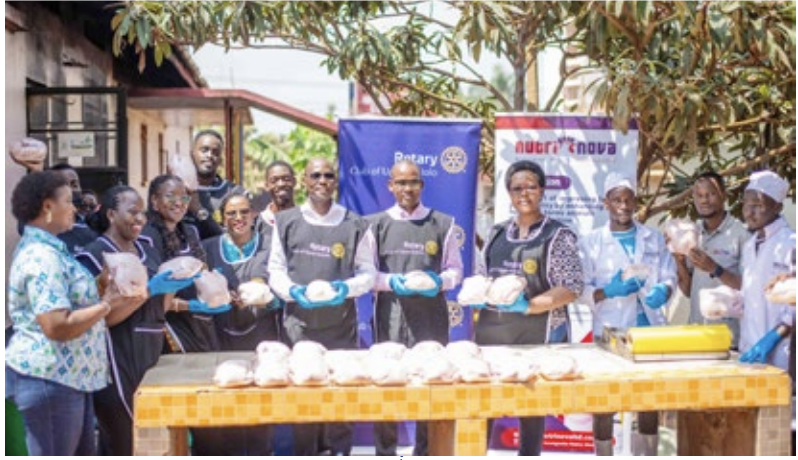
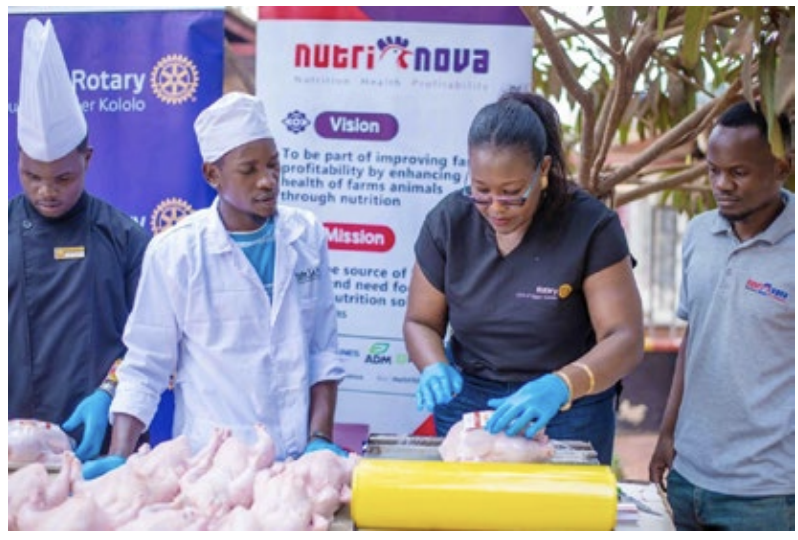
A unique sustainability approach was built into the project through a partnership with Hotel La Vena, where poultry farming at the facility has been commercialized. Eighty percent (80%) of the chickens reared are sold to the hotel, while 20% are consumed internally. This model has generated a net revenue of US$ 20,000 which has been reinvested to sustain skilling activities.
Expansion to the Community
Building on these successes, the project is being scaled up to the Naguru Go-Down Community, an informal settlement of 33 villages with an estimated population of 33,000. The goal is to extend vocational skilling programs to out-of-school youth aged 15 – 24, in order to foster peaceful coexistence and community empowerment.
Innovation in Justice Delivery
The Club has also enhanced access to justice by extending Internet connectivity and provision of ICT equipment to support a Virtual Court Facility. This facility now serves 65 courts across 89 districts in Uganda, and has helped to reduce prolonged detention periods, currently averaging 6 months for petty offences and 15 months for capital offences. By enabling remote hearings, this innovation aligns with one of Rotary’s Seven Areas of Focus, namely: ‘Peacebuilding and Conflict Resolution’, and ensures faster resolution of cases.
Conclusion
The empowerment initiatives at Naguru Remand Home highlight a strong commitment to transforming the lives of young people in conflict with the law. By providing counseling, education, vocational training, and recreational opportunities, the Home prepares juveniles for a better future, equipping them with practical skills; and life skills such as resilience and confidence.
Looking beyond confinement, it is evident that Naguru Remand Home, in collaboration with Rotary, is shaping the lives of Uganda’s youth, and empowering them to become positive contributors to their communities and society at large.