Empowering the Kamwokya Community through Menstrual Hygiene Awareness & Self-Management Skills
Menstrual health and hygiene remain critical challenges affecting millions of girls in Uganda, impacting on their education, health, and well-being.
Studies show that across Uganda, approximately 64% of girls miss school days due to menstruation-related challenges. Twenty-three percent (23%) of these girls, between 12 to 18 years drop out after their first period.
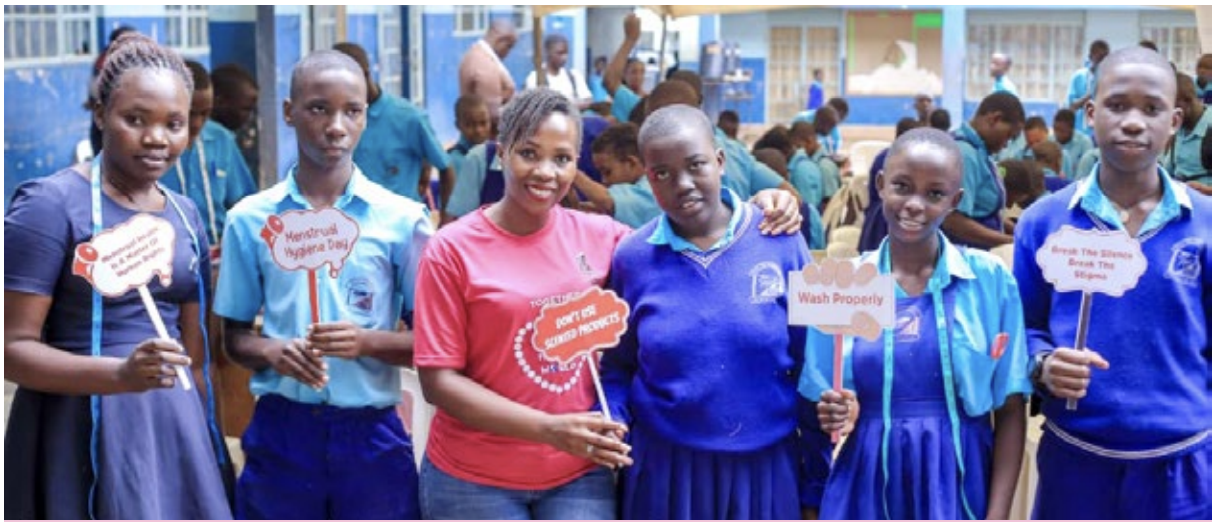
Menstrual hygiene crises persist countrywide, fueled by inadequate access to sanitary products, insufficient sanitation facilities, and prevailing cultural taboos. Lack of affordable sanitary products forces many girls to rely on unsafe alternatives, contributing to infections and stigma. Boys and men are often excluded from menstrual health discussions, perpetuating misunderstandings and gender-based stigma.
At KCCA Primary School in Kamwokya, the Rotary Club of Kitante, in partnership with the Rotary Club of Naalya States, Rotaract Club of Kitante, and Muhimbo Foundation, last month launched the Safe Shield project to address this pertinent issue. On Thursday, 24th September 2025, the school hosted the first in a series of menstrual hygiene education sessions, featuring interactive learning for both girls and boys.
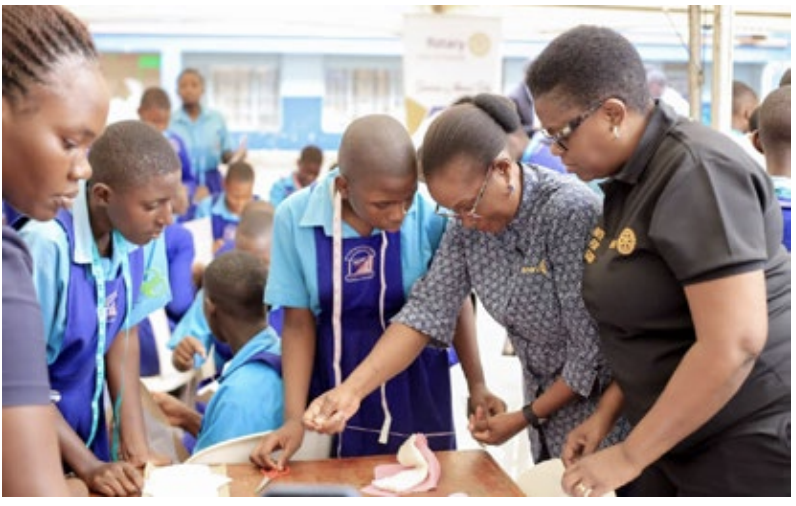
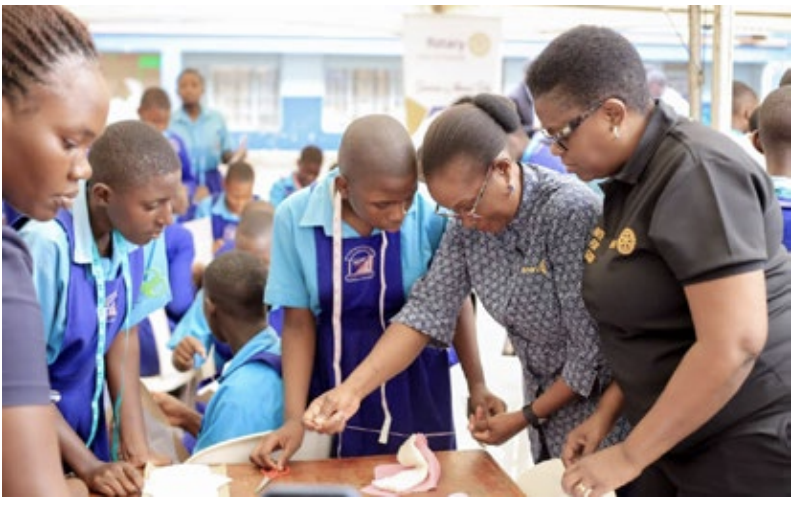
The Safe Shield project aims to break the cycle by educating students accurately about menstrual health, demystifying myths, and fostering empathy and support among boys and girls alike. The inaugural session at KCCA Primary School combined awareness talks with hands-on training on how to make reusable sanitary pads using locally available materials. This practical skill empowers students, especially girls, to manage menstruation safely and affordably, enhancing their dignity and school attendance.
Additionally, it equips the learners with income-generating skills for the future, because after the training, they are in position to produce reusable pads not only for themselves, but for commercial purposes as well.
The project has inclusion as one its main objectives. A supportive school community is built by involving boys in all project activities. This is essential for lasting mind-set change. This approach also `aligns with the Rotary Area of Focus on Maternal and Child Health, national efforts to integrate menstrual hygiene management into school curricula and the Ministry of Education and Sports’ guidelines promoting access to timely information and sanitary facilities.
The engagement with local youth at KCCA Primary School in Kamwokya marks a promising step toward addressing Uganda’s menstrual health crisis directly at the community level. By providing knowledge, skills, and breaking harmful taboos, the Safe Shield project creates a foundation for healthier, more confident students who can participate fully in education without interruption. More sessions are planned to build on this momentum, with the goal of equipping all students at KCCA Primary with essential menstrual hygiene awareness and practical solutions.
Through continued collaboration between Rotary clubs, foundations, school leadership, and students, this initiative exemplifies community-driven action to secure a better future for Uganda’s young girls and boys.
For KCCA Primary students and staff, the Safe Shield project offers hope and empowerment, transforming menstrual health from a barrier into a shield of strength and resilience.